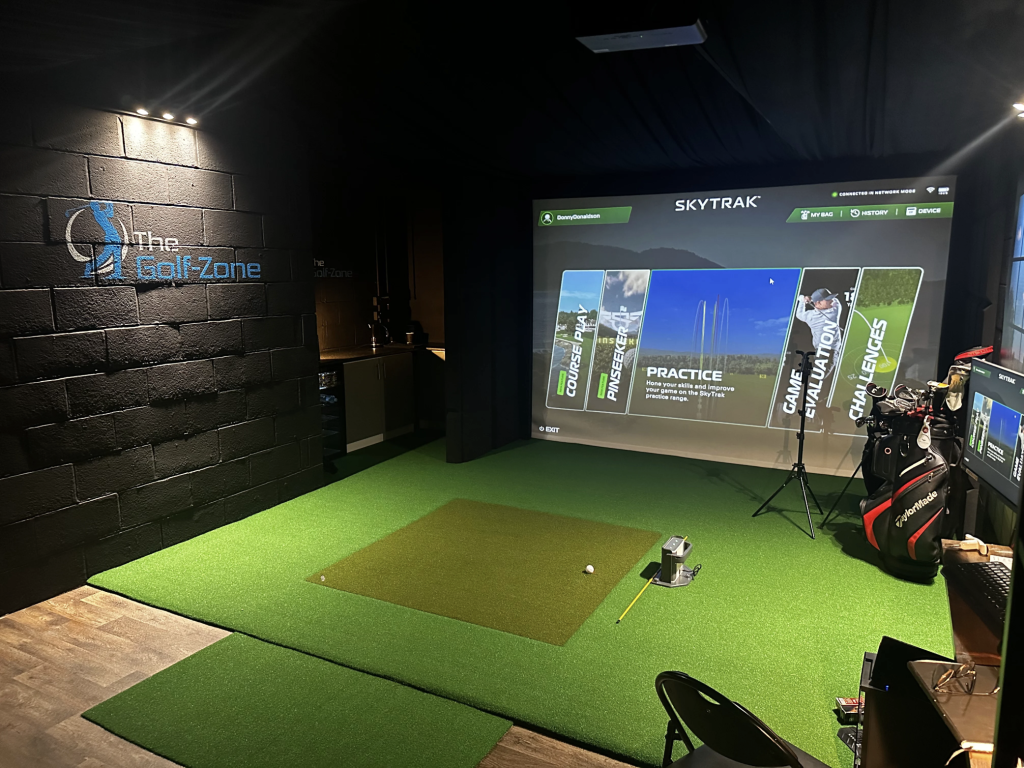
Our simulator is currently configured for RIGHT-HANDED golfers only. We’re working towards future updates to support LEFT-HANDED play. Thanks for your understanding!
Clubs to Use: Sand wedge, pitching wedge, 9-iron
Goal: Warm up your body and establish a feel for the ball. Start with wedge shots to get a sense of your short-game touch. Pay attention to your grip, stance, and smoothness of your swing. If you’re noticing any tension or discomfort in these short shots, it may signal an area that needs focus.
Clubs to Use: 7-iron, 6-iron, 5-iron
Goal: Evaluate your consistency in distance control. These clubs are critical for approach shots, so focus on landing the ball at the right yardages. Note whether you’re consistently overshooting or undershooting your targets. This can help you identify issues with swing tempo, ball contact, or club selection.
Clubs to Use: 4-iron, 3-iron, Hybrid
Goal: These clubs are often the most challenging for many players. Are you able to strike them cleanly and consistently? Track how well you’re able to control the flight and direction of the ball. If you struggle with consistency here, it might suggest that you need a better grip, posture, or a swing adjustment.
Clubs to Use: Driver
Goal: The driver is the most powerful club in your bag, so this is a good time to assess your ability to hit the ball with both distance and control. Focus on the following:
Ball Flight: Is your ball slicing, hooking, or flying straight?
Accuracy: Are you hitting the fairway consistently, or do you find yourself off-line?
Power: Are you generating enough distance with your driver? If you’re consistently short, it might indicate issues with swing mechanics, stance, or tempo.
Data Focus:
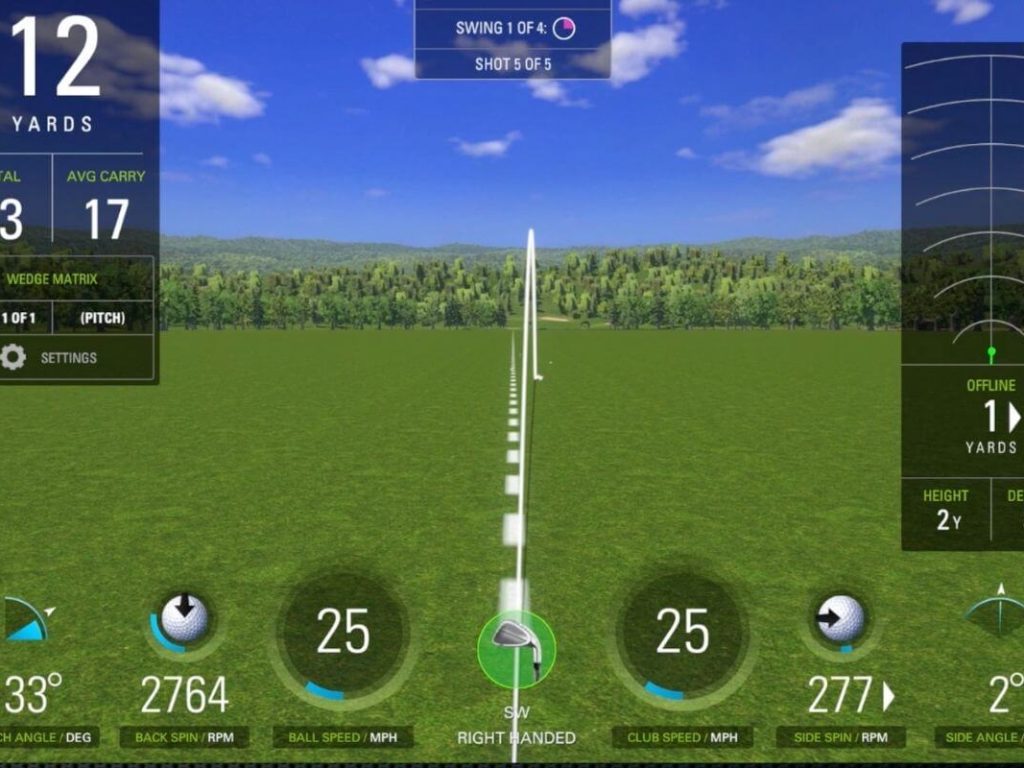
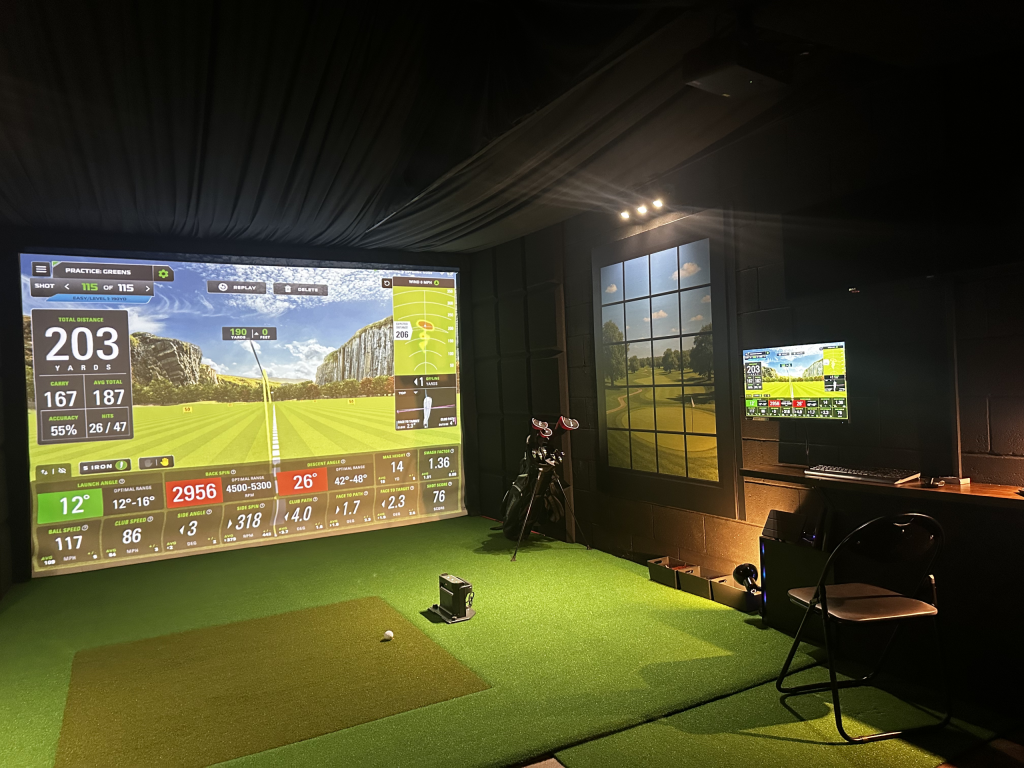
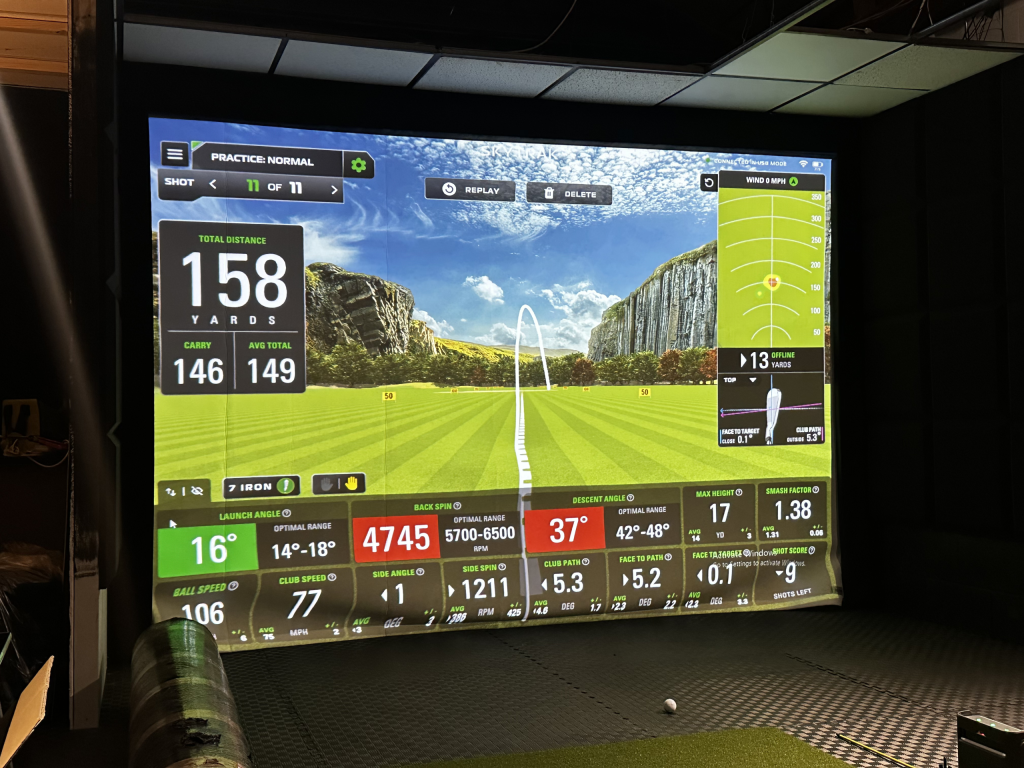
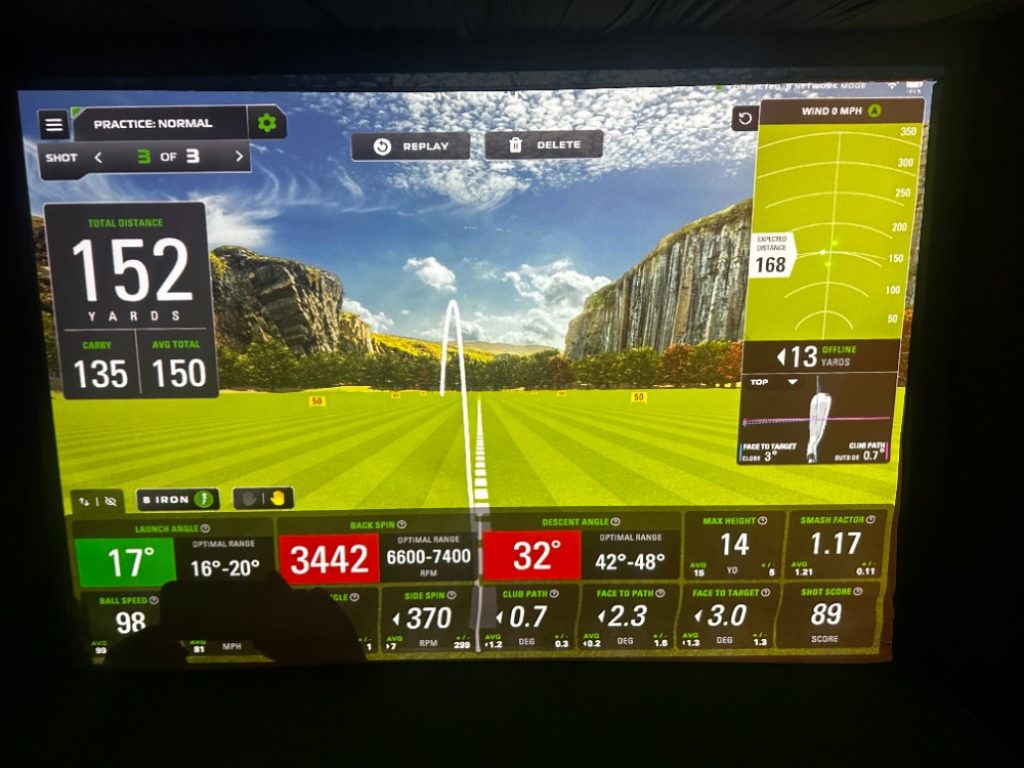
Carry Distance: How consistent is the distance each club is producing?
Dispersion: How far apart are your shots landing? A tighter grouping indicates better consistency.
Launch Angle & Spin Rate: These data points will give you insight into your ball flight and whether you need to adjust your swing or club choices.
After hitting a variety of clubs, you’ll be able to spot patterns. Are you consistent with your mid-irons but struggling with the driver? Or perhaps you need to work on shaping your shots with your longer irons?
Tendencies to Note:
Weak Areas: Clubs you hit less consistently, such as long irons or drivers, may need more attention.
Misses: Consistently slicing or hooking certain clubs? It could indicate grip or swing path issues.
Ball Contact: Are you striking the ball solidly with most clubs, or are there mishits that need addressing?
Based on your data and feel from the session, adjust your grip, stance, or swing to address any weaknesses. For example:
If you’re slicing the driver: Consider adjusting your grip to be slightly stronger or check your alignment.
If you’re inconsistent with short irons: Focus on rhythm and tempo, as well as making sure you’re not trying to force the shot.
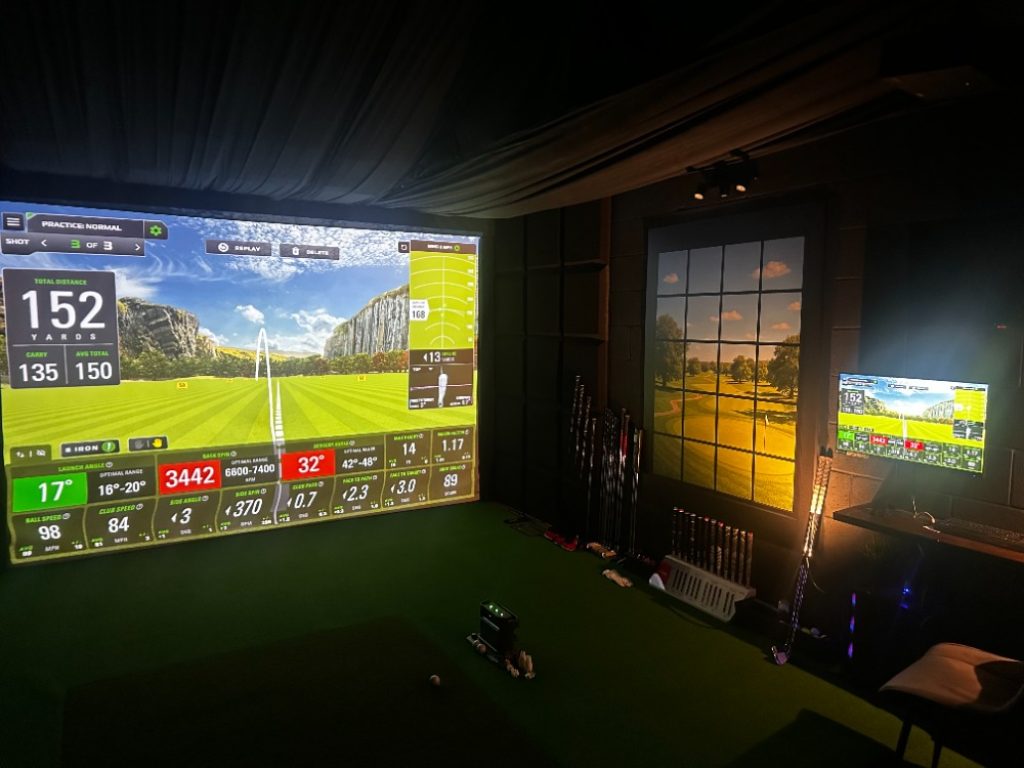
After making adjustments, use the SkyTrak+ system to track your performance again. You should see improvements in your distance control, accuracy, and overall ball-striking consistency.
Hitting balls with different clubs on the range is about more than just repetition—it’s about actively diagnosing your game. The combination of hands-on practice and real-time data lets you gain deep insights into your strengths and areas for improvement. By focusing on key areas of your game, like ball flight, distance control, and shot dispersion, you’ll be able to make intentional changes that translate to lower scores on the course. With SkyTrak+ data, you can measure your progress and see tangible results every session.